Nutrition Facts is a science-based series of nutrition resources. Readers learn how to create a healthier diet through articles, videos, and podcasts episodes. Given that we’re sensitive to VOCs found in household goods, we’ve really enjoyed the information on the effectiveness of natural cleaning products.
Serving size is the first piece of information listed on the label. This is the amount of food that is typically eaten at one time. The size is in a basic household measurement, such as pieces, cups, or ounces. For example, a serving may be 7 potato chips or 1 cup of cereal.
Serving size is an important factor in your diet. You should compare the amount of that food you normally eat to the serving size listed on the label. Eating large servings or portions can lead to weight gain. The larger your portions are, the more calories you eat. For example, the label may list a serving size as 7 potato chips. If you eat 14 chips, you are consuming twice the amount of calories and nutrients.
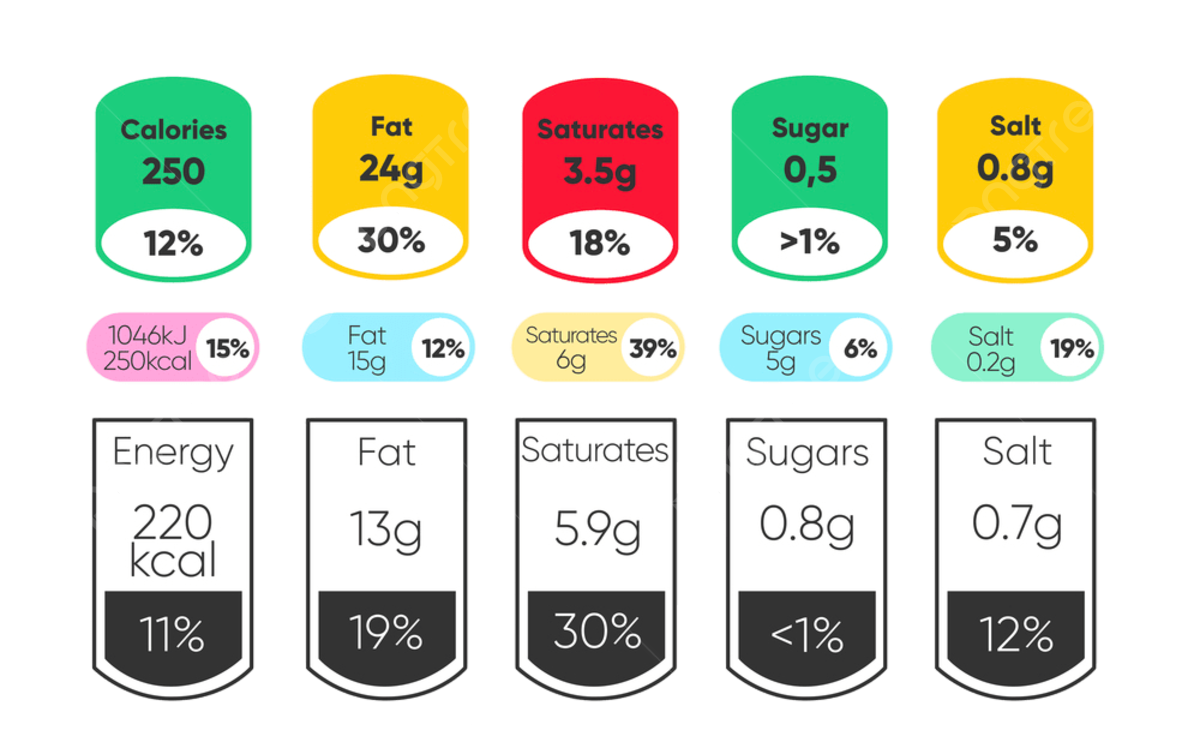
The label provides a column of percentages called the percent daily value. It compares how much of a nutrient is in one serving of food to how much of that nutrient you should consume in one day. The percentages are based on a daily diet of 2,000 calories. You’ll need to adjust the amounts if you eat more or less than 2,000 calories per day. Everyone has different calorie needs. These depend on your gender, age, and activity level.
You get your daily calories from what you eat and drink. A healthy person should consume nutrients from the five basic food groups (fruits, vegetables, grains, protein, and dairy). Some ingredients, such as saturated and trans fats, are unhealthy. You only should eat these in small amounts. A serving with 5% or less of the daily value is low. A serving with 20% or more of the daily value is high.

Things to consider
Calorie count display It’s now in larger, bolder text.
Serving sizes With the new label, they’re more representative of the portions people actually eat. In the past, for example, a 20-ounce (oz) bottle of soda may have included nutritional information for more than one serving, even though most people would consume the entire bottle in one sitting, according to the Centers for Disease Control and Prevention (CDC). Updated serving sizes provide a more realistic estimate of the calories actually being consumed. It’s important to note that serving sizes are not recommended portion sizes. And for foods that might be consumed in one sitting — such as a bag of chips — the new label features dual column labels that provide calorie and nutrition information for both one serving and for the whole package.
Added sugar There is now a separate line to show how much of the total sugar comes from added versus natural sources.
Good fat vs. bad fat Nutrition labels now break down how much of the total fat in a product comes from saturated and trans fats.
New nutrients Labels are now required to show vitamin D and potassium content (vitamins A and C are no longer required, likely because they are no longer considered “nutrients of concern,” says Bremner).
Lower sodium limit Food labels reflect the new, slightly lower RDA of 2,300 milligrams (mg) per day (down from 2,400 mg per day).
Others nutrients are bad for you and should be eaten less. These include:
Saturated fat. This type of fat can increase your risk of heart disease and high cholesterol. The average adult should consume less than 20 grams of saturated fat per day.
Trans fats. This type of fat also increases your risk of heart disease. Ideally, you should get 0 grams of trans fat per day. Keep in mind, companies can list 0 grams if it contains less than 0.5 grams of trans fat per serving. This means that your food may have trans fats even if the nutrition label says 0. Check the ingredient list for trans fats products. This includes any hydrogenated vegetable oils. Trans fat often is found in baked goods, fried foods, snack foods, and margarine.
You should eat less than 300 milligrams of cholesterol per day. If you have heart disease, aim for less than 200 milligrams per day.
Not all nutrients, or ingredients, listed on a label are equal. Some are better for you and should be eaten more. These include:
Vitamins and minerals. The main types include, vitamin A, vitamin C, calcium, and iron. Vitamin D and potassium also are important. Talk to your doctor about what vitamins and minerals you need and how much
Nutrition Facts label
1. Start with the Serving Size
- Look here for both the serving size (the amount people typically eat at one time) and the number of servings in the package.
- Compare your portion size (the amount you actually eat) to the serving size listed on the panel. The Nutrition Facts applies to the serving size, so if the serving size is one cup and you eat two cups, you are getting twice the calories, fat and other nutrients than what is listed on the label.
2. Compare the Total Calories to Your Individual Needs
- Find out how many calories are in a single serving and compare it to your total calorie allowance for the day. For general nutrition advice, 2,000 calories per day is used, but your individual needs may be higher or lower depending on a number of factors, including your age, sex, height, weight, and activity level.
3. Let the Percent Daily Values Be a Guide
- Use the percent Daily Values (DV) to help evaluate how a particular food fits into your daily meal plan. Percent DV are for the entire day, not just one meal or snack. Daily Values are average levels of nutrients based on a person who eats 2,000 calories a day. A food item with a 5% DV of fat provides 5% of the total fat that a person who needs 2,000 calories a day should eat.
- You may need more or less than 2,000 calories per day. This means that you may need more or less than 100% DV that is listed on the package for some nutrients.
- Low is 5% or less. Aim low in saturated fat, trans fat, cholesterol and sodium.
- High is 20% or more. Aim high in vitamins, minerals and dietary fiber.
4. Check Out the Nutrition Terms
- Low calorie: 40 calories or less per serving.
- Low cholesterol: 20 milligrams or less and 2 grams or less of saturated fat per serving.
- Reduced: At least 25% less of the specified nutrient or calories than the usual product.
- Good source of: Provides at least 10 to 19% of the Daily Value of a particular vitamin or nutrient per serving.
- Excellent source of: Provides at least 20% or more of the Daily Value of a particular vitamin or nutrient per serving.
- Calorie free: Less than five calories per serving.
- Fat free/sugar free: Less than ½ gram of fat or sugar per serving.
- Low sodium: 140 milligrams or less of sodium per serving.
- High in: Provides 20% or more of the Daily Value of a specified nutrient per serving.
5. Choose Low in Saturated Fat, Added Sugars and Sodium
- Eating less saturated fat, added sugars and sodium may help reduce your risk for chronic disease.
- Saturated fat and trans fat are linked to an increased risk of heart disease.
- Eating too much added sugars makes it difficult to meet nutrient needs within your calorie requirement.
- High levels of sodium can add up to high blood pressure.
- Remember to aim for low percentage DV of these.
6. Get Enough Vitamins, Minerals and Dietary Fiber
- Choose more foods containing dietary fiber, potassium, vitamin D, calcium and iron to maintain good health and help reduce your risk of certain health problems such as osteoporosis and anemia.
- Choose more fruits and vegetables to get more of these nutrients.
- Remember to aim high for percentage DV of these nutrients on other foods.
7. Consider the Additional Nutrients
You know about calories, but it also is important to know about the additional nutrients on the Nutrition Facts label.
- Protein: A percentage Daily Value for protein is not required on the label. Eat moderate portions of lean meat, poultry, fish, eggs, low-fat milk, yogurt and cheese, plus beans and peas, nuts, seeds and soy products.
- Carbohydrates: There are three types of carbohydrates: sugars, starches and fiber. Eat whole-grain breads, cereals, rice and pasta plus fruits and vegetables.
- Sugars: Simple carbohydrates, or sugars, occur naturally in foods such as fruit (fructose) and milk (lactose) or come from refined sources such as table sugar (sucrose) or corn syrup. Added sugars are included on the updated Nutrition Facts label. The 2020-2025 Dietary Guidelines for Americans recommends that foods and beverages with added sugars be avoided by children under the age of 2 and individuals 2 years and older consume no more than 10% of daily calories from added sugars.
Leave a Reply